Low back pain: physiotherapy exercises
Low back pain is the most common reason people see a physiotherapist. In the vast majority of cases, staying active and doing the right exercises is the most effective treatment.
The exercises below combine pelvic and lumbar spine mobility, motor control, core stability and progressive strengthening of the trunk and hip muscles.
Stages of rehab
- Painful phase: gentle movement and breathing to stay mobile without making the pain worse.
- Recovery phase: motor control and core stability work to stabilise the spine.
- Strengthening phase: progressive strengthening of the trunk, glutes and legs, then a return to normal activities.
Recommended exercises
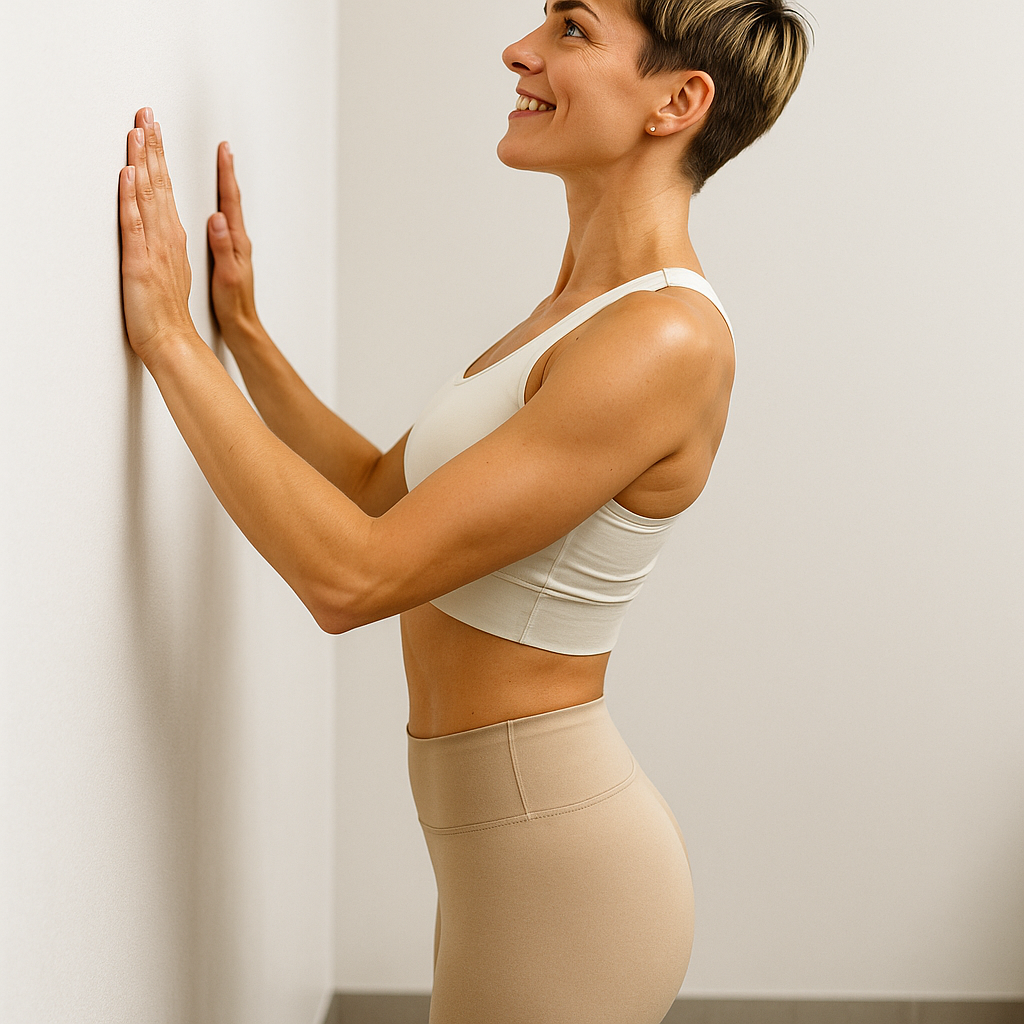 Active lumbar extension against a wall
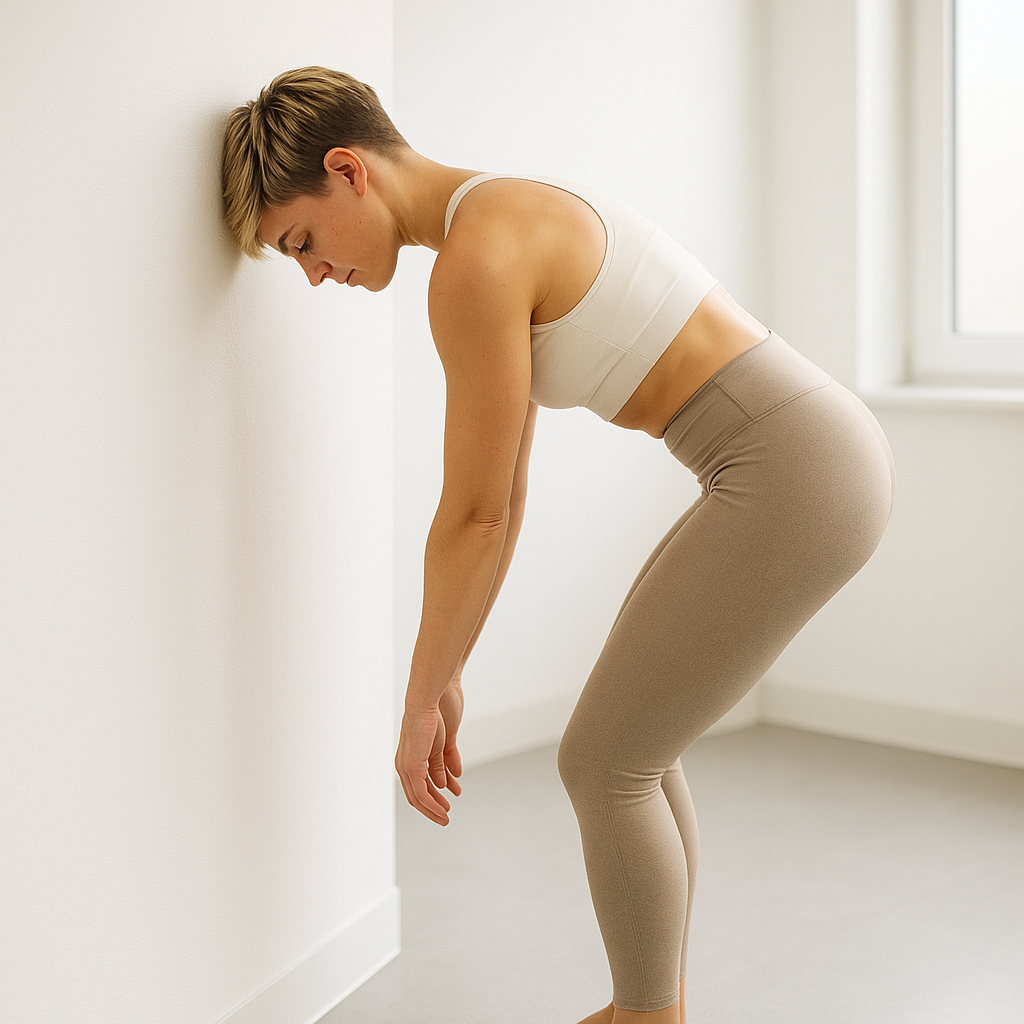 Active Lumbar Flexion Mobilization Against a Wall
 Child's Pose on SwissBall
 Dead Bug for Lumbar Motor Control
 Lumbar extension lying on the stomach
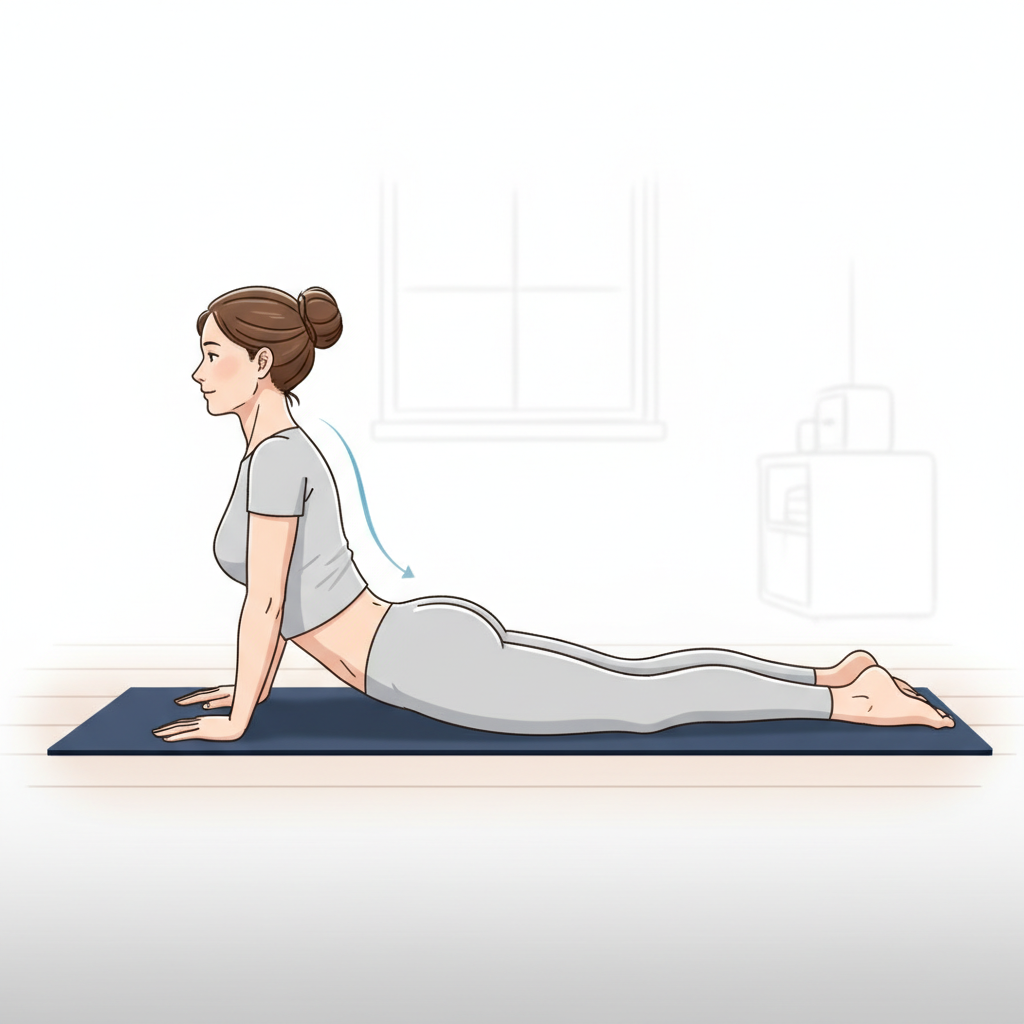 Lumbar Extension on the Floor
 Lumbar Flexion in Supine Position
 Lumbar Flexion on SwissBall
 Lumbar Flexion Rolling Mobilization in Butterfly Sitting on SwissBall
 Lumbar Flexion with Arm Swing in Standing
 Lumbar Flexion/Extension Mobilization on SwissBall
 Lumbar Inclination Opening
Practical tips
- Stay active: prolonged bed rest slows recovery.
- Moderate pain during exercise is acceptable if it settles afterwards.
- Seek medical advice promptly if you notice weakness, bladder or bowel problems, or fever.
Are you a physiotherapist?
Add this exercise to a personalised program in Physia: the AI builds the program in 30 seconds from the condition, then you send it to your patient by link, QR code or email.
Patient? Ask your physio to send your program to the free Physia Move app. Open Physia Move
Frequently asked questions
What exercises help low back pain?
Start with gentle mobility exercises (pelvic tilts, cat-cow), then add core stability and glute strengthening. Your physio adapts the progression to your pain.
How long does low back pain last?
Acute low back pain usually improves within a few days to a few weeks. Beyond 3 months it is called chronic low back pain, and regular exercise remains the first-line treatment.
This information is educational and does not replace advice from a healthcare professional. Ask your physiotherapist or doctor before starting, especially if you have pain, a recent injury or have had surgery.