Neck pain: physiotherapy exercises
Neck pain is often linked to prolonged postures, stress or muscle stiffness.
These exercises work on neck mobility, control of the deep neck muscles and strengthening of the neck and shoulder muscles.
Stages of rehab
- Gentle mobility in every direction, without forcing.
- Activation of the deep neck flexors (chin tucks) and posture control.
- Progressive strengthening of the neck and shoulder girdle.
Recommended exercises
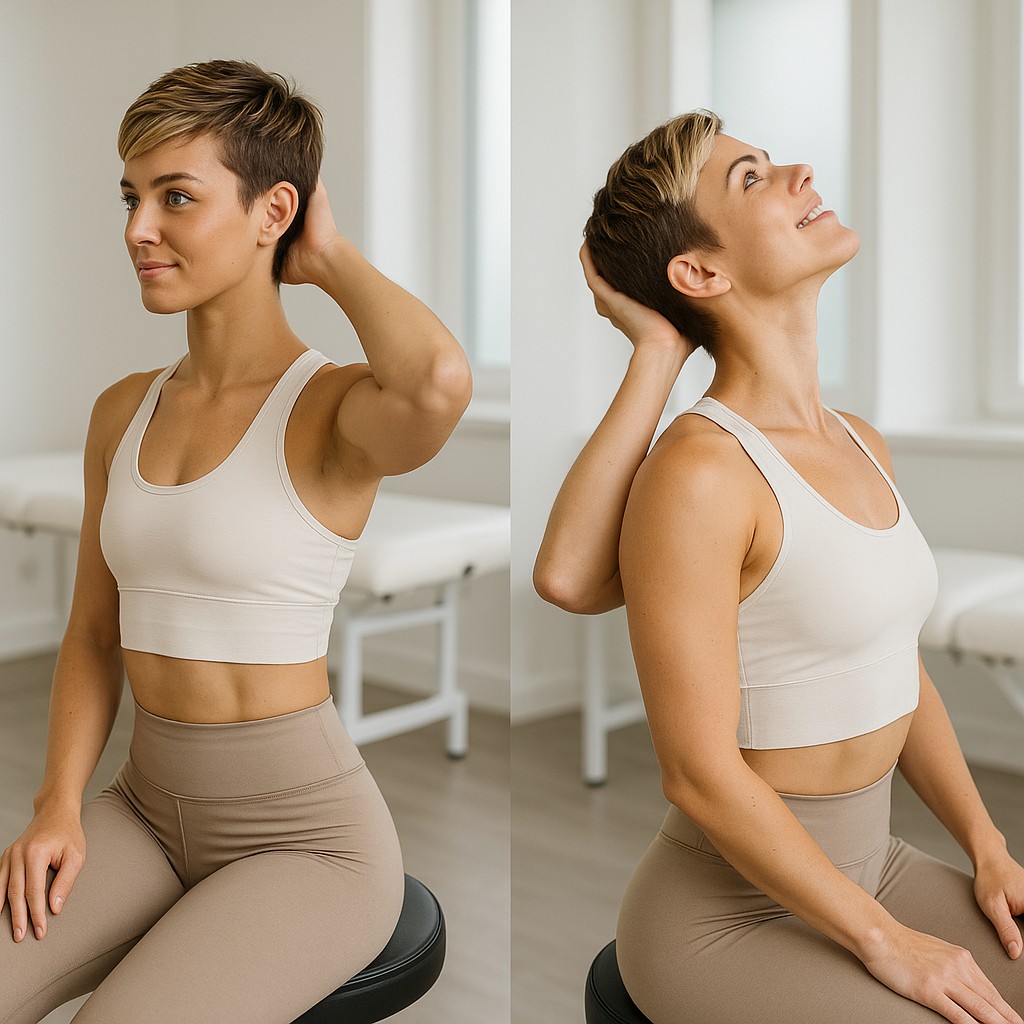 Active Assisted Cervical Extension Mobilization
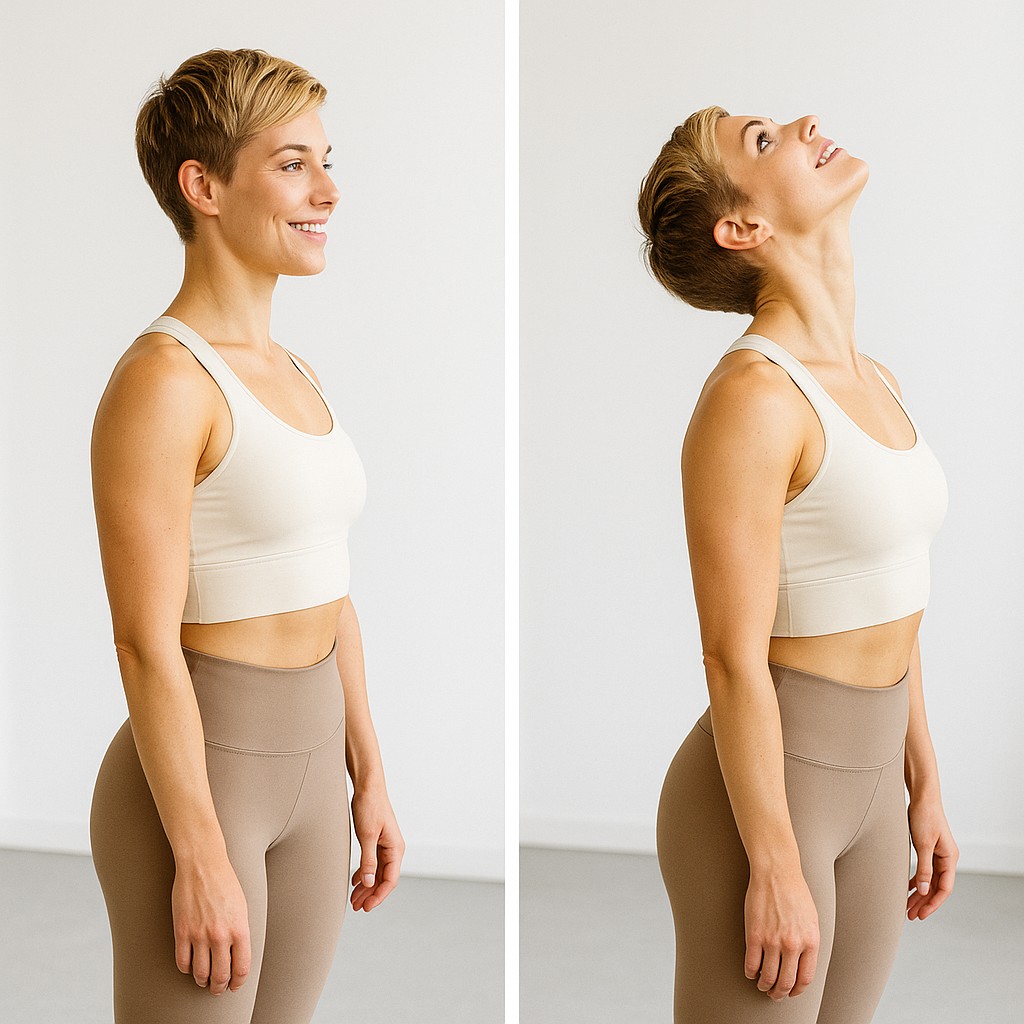 Active Cervical Extension Mobilization
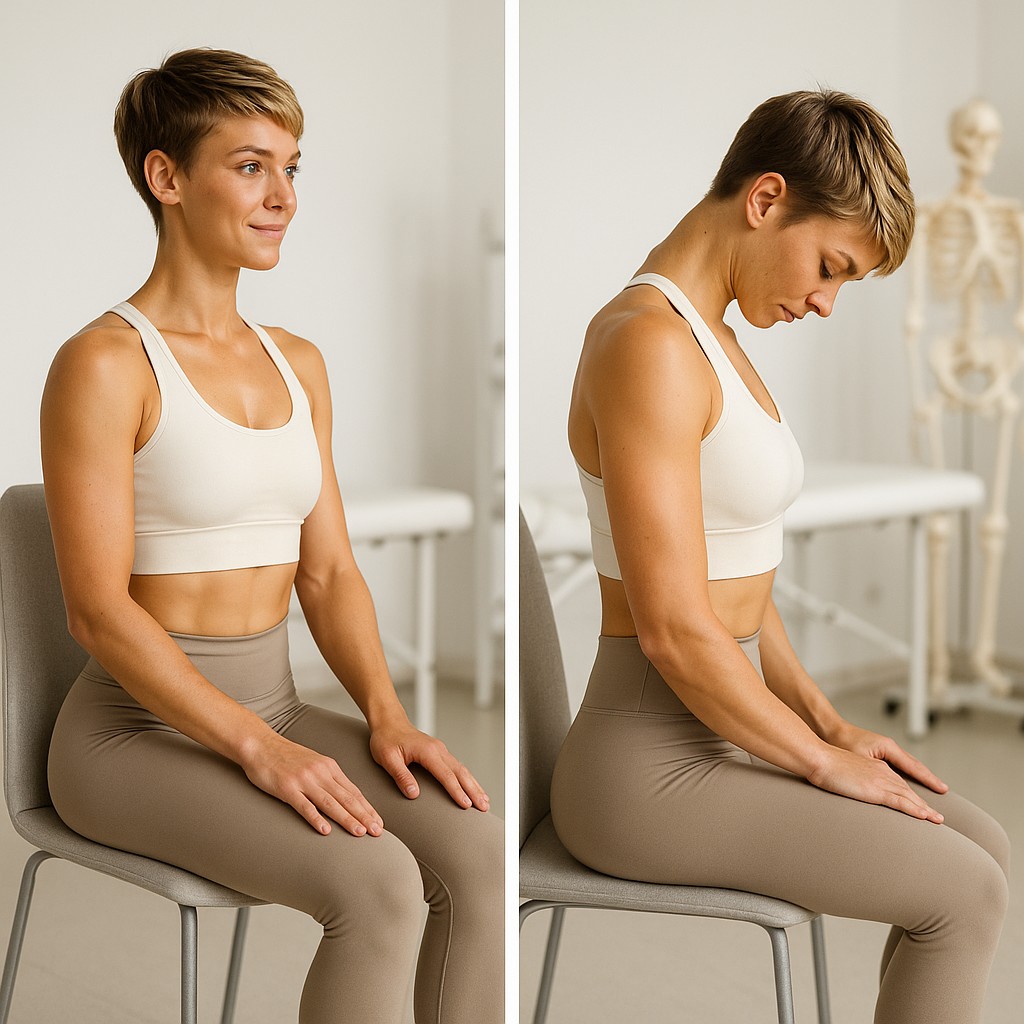 Active Cervical Flexion Mobilization
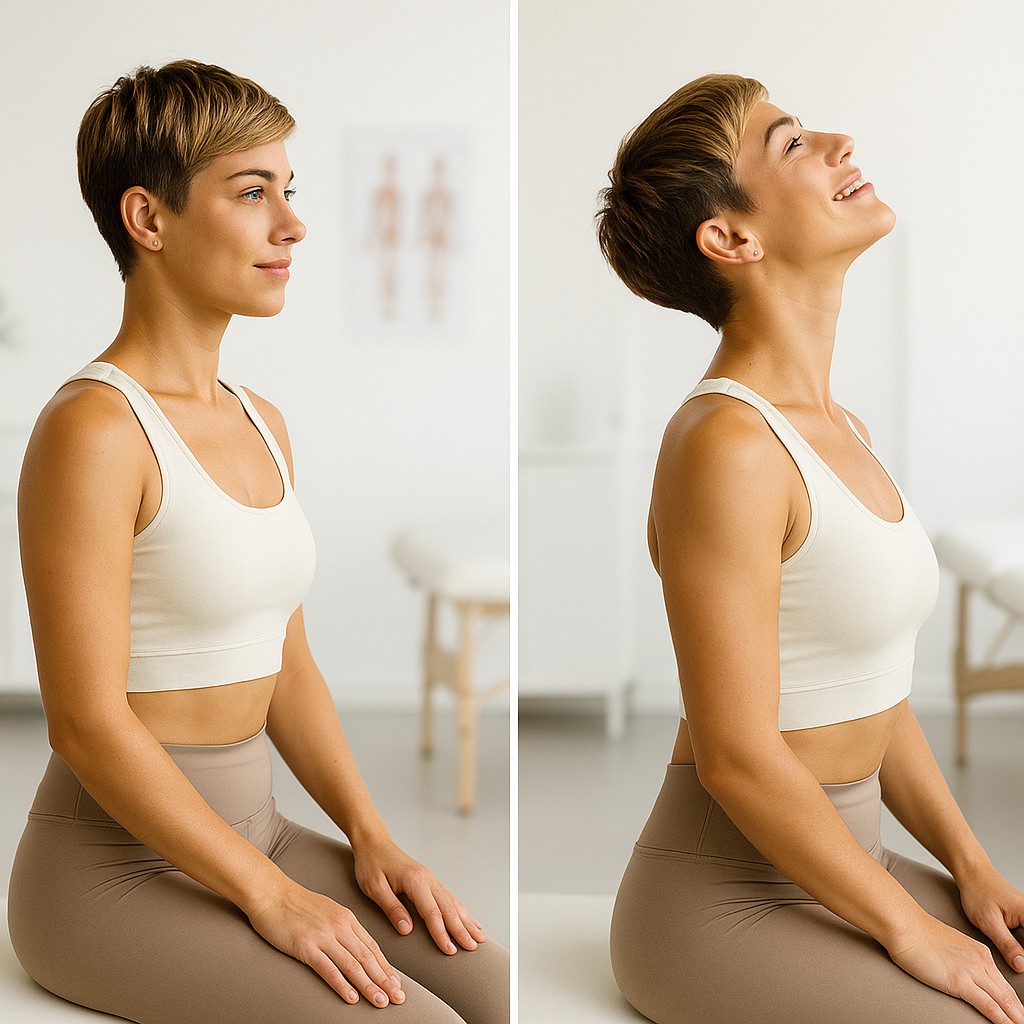 Active Cervical Flexion/Extension Mobilization
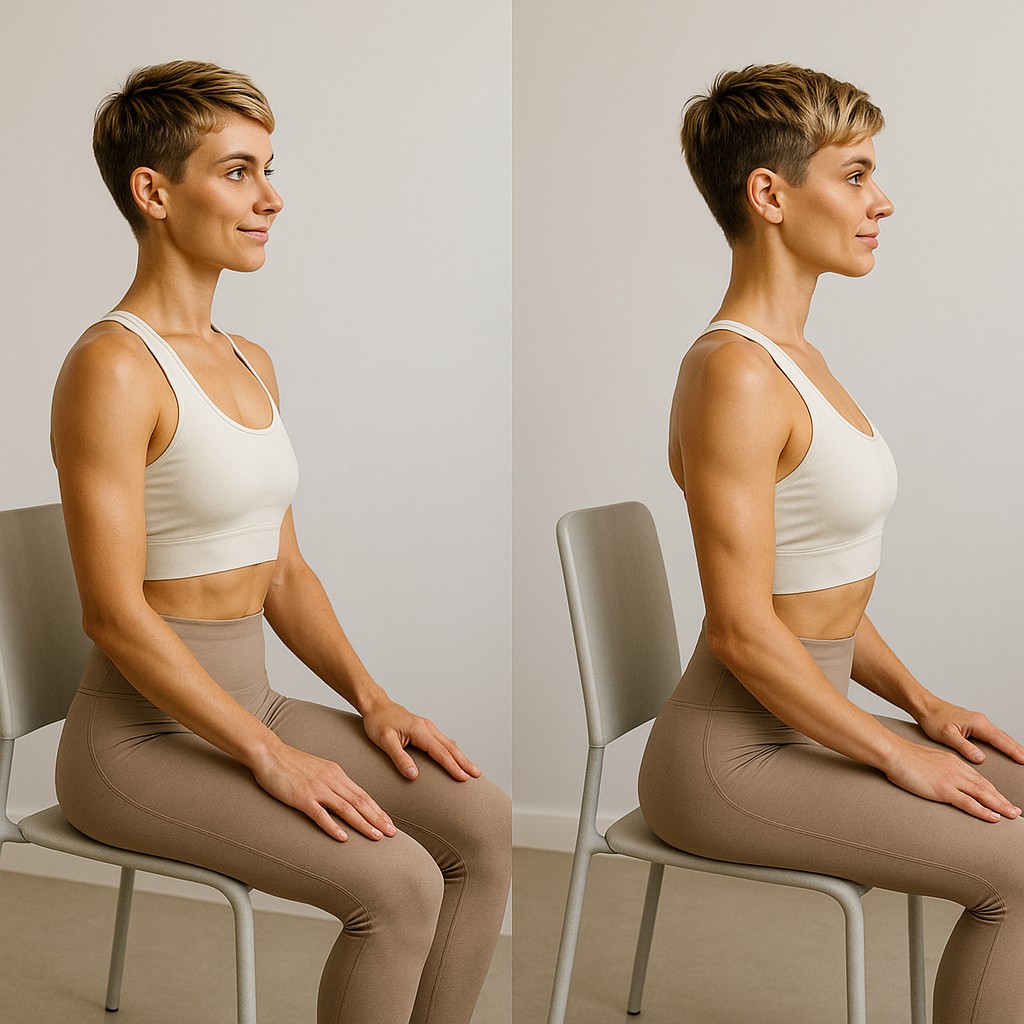 Active cervical protraction
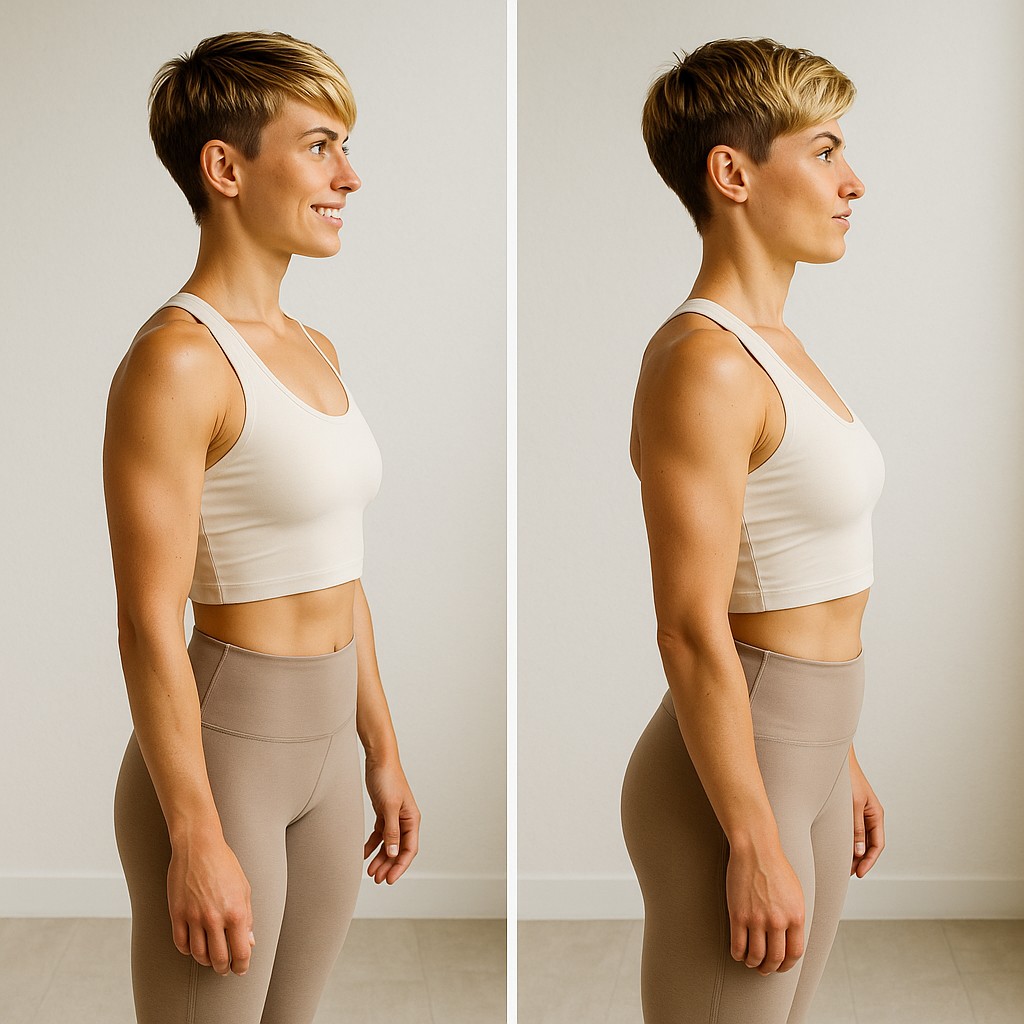 Active Cervical Retraction
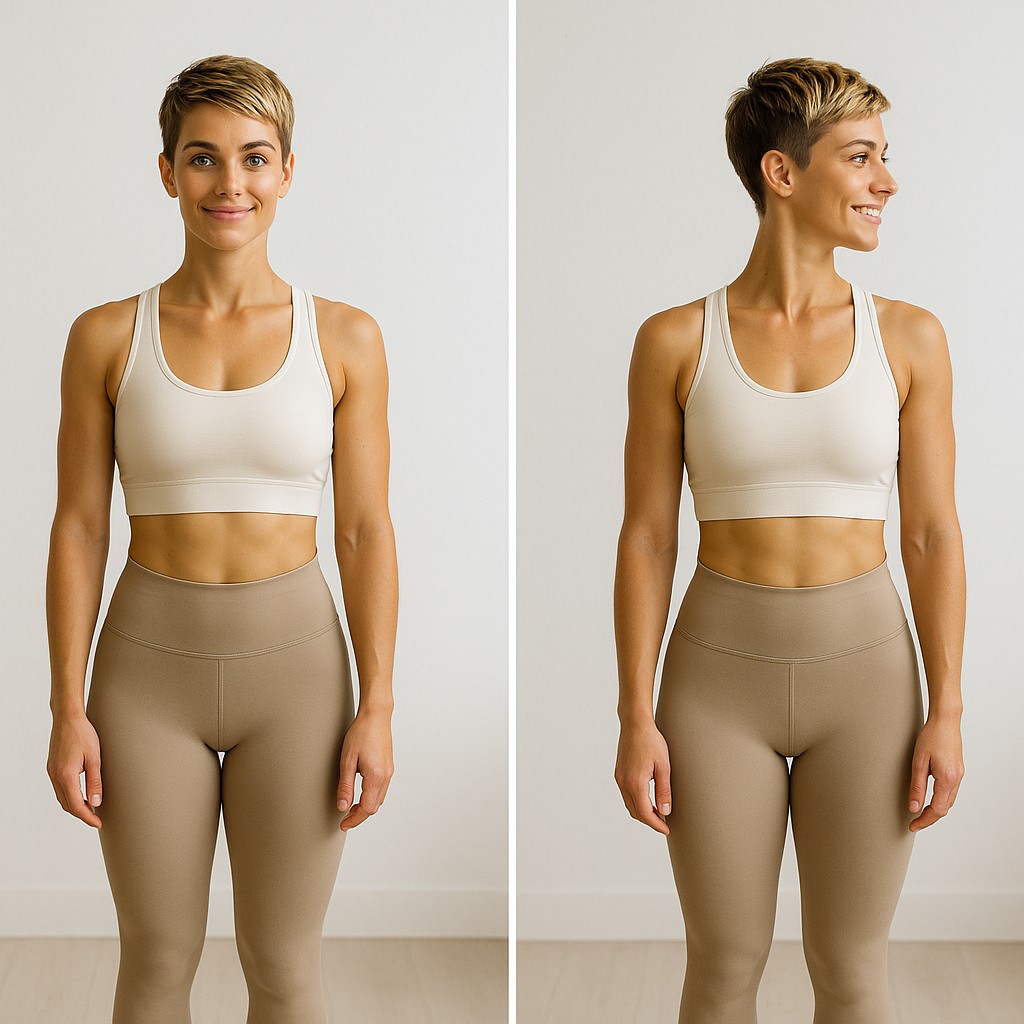 Active Cervical Rotation Mobilization
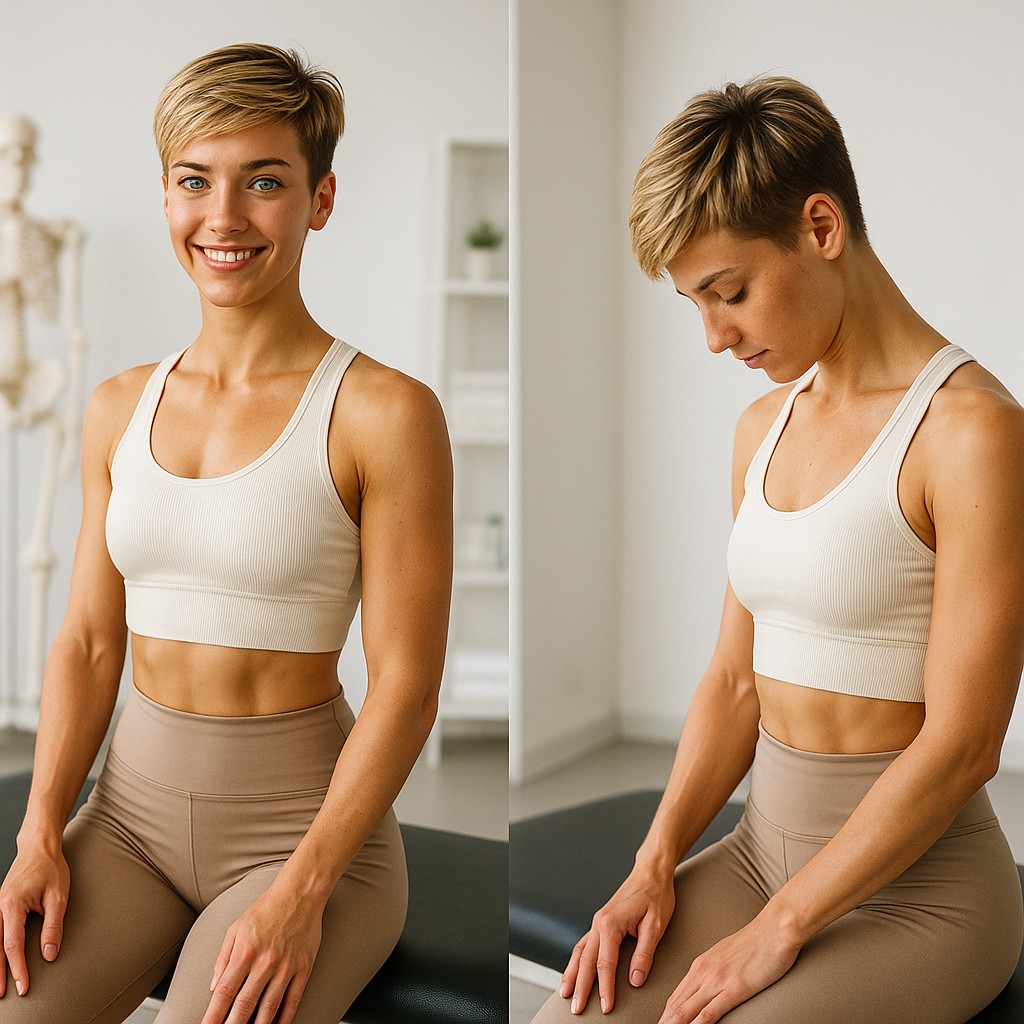 Active Mobilization of Cervical Flexion and Extension
 Active-Assisted Cervical Flexion Mobilization
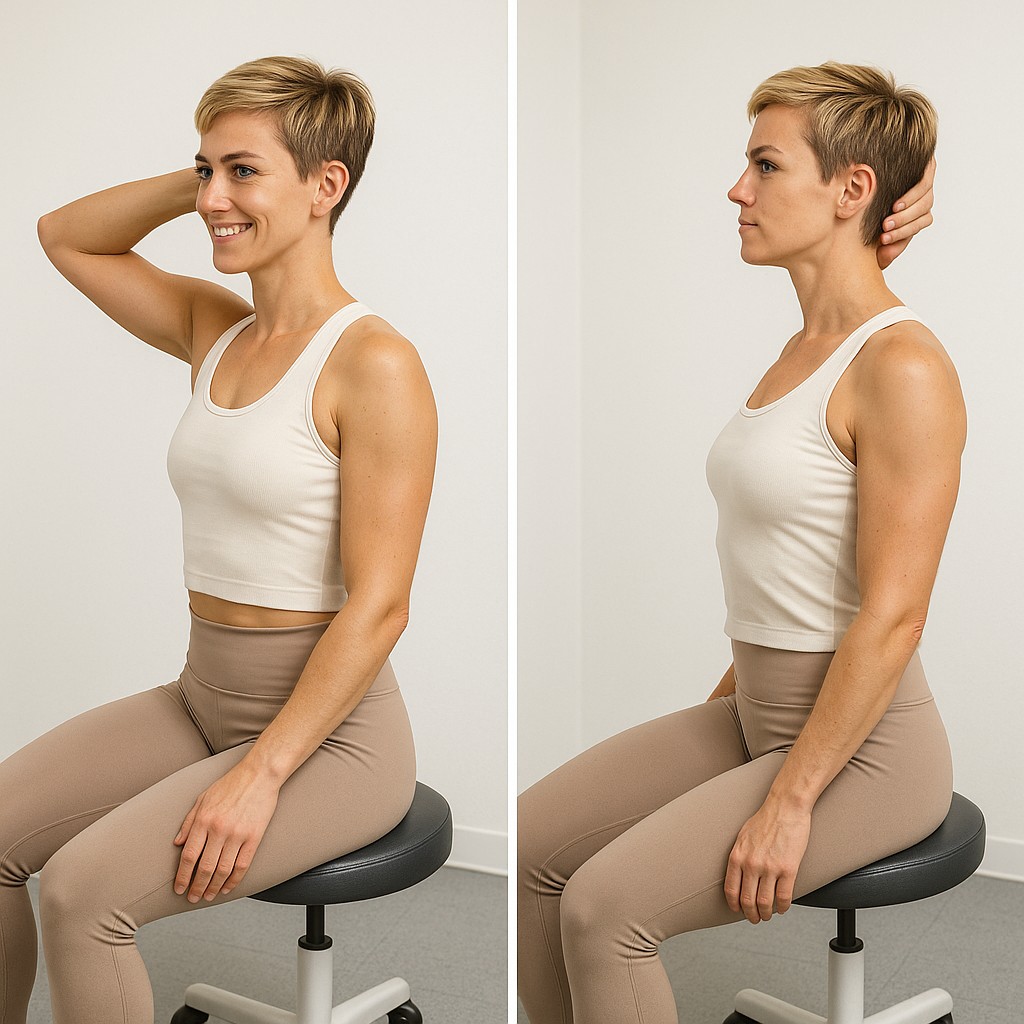 Active-assisted cervical retraction
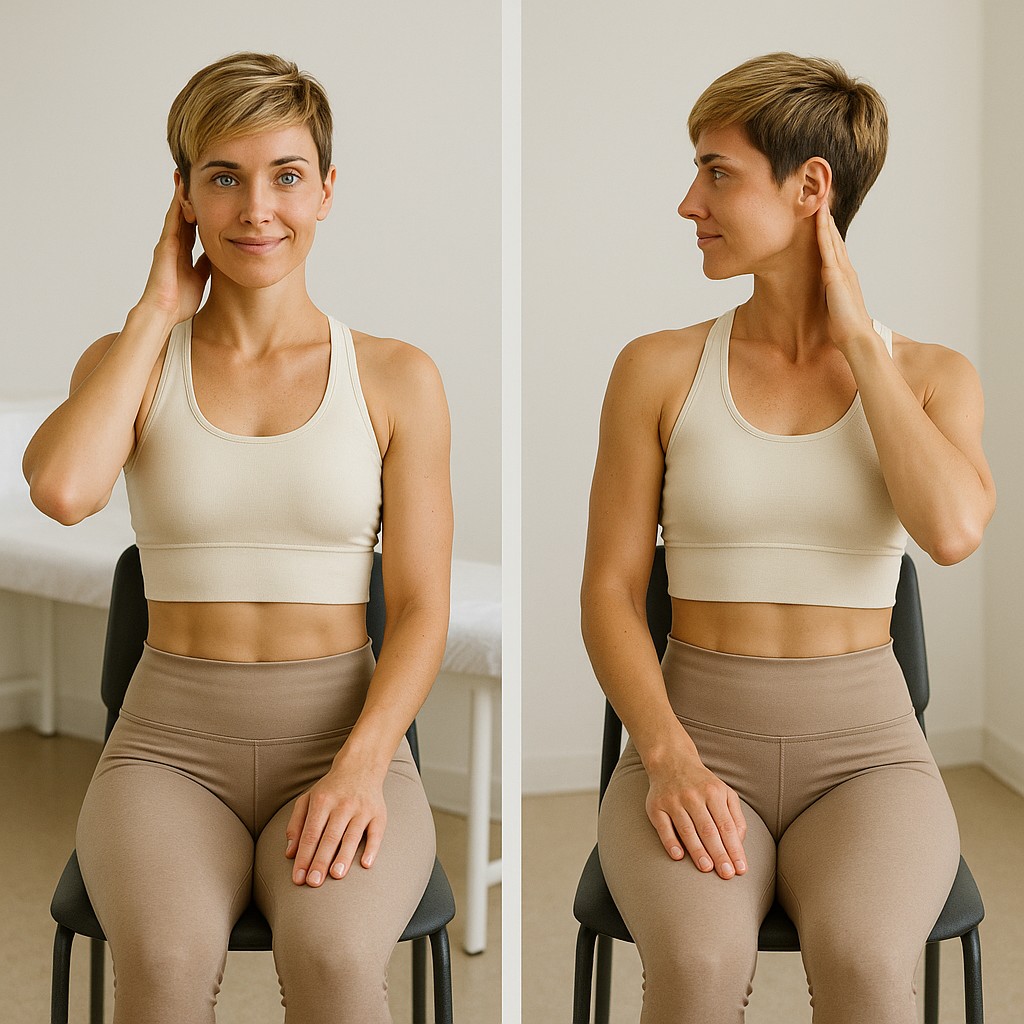 Active-assisted cervical rotation mobilization
 Cervical Retraction with Overpressure
Practical tips
- Take regular breaks from the screen and vary your positions.
- Avoid sudden movements or unsupervised manipulation.
- Seek advice if you have pins and needles in your arms, dizziness, or after an injury.
Are you a physiotherapist?
Add this exercise to a personalised program in Physia: the AI builds the program in 30 seconds from the condition, then you send it to your patient by link, QR code or email.
Patient? Ask your physio to send your program to the free Physia Move app. Open Physia Move
Frequently asked questions
What exercises relieve neck pain?
Chin tucks, gentle rotations and side bends, and strengthening the muscles between the shoulder blades are the most commonly used exercises. Your physio tailors the program.
Should I keep my neck still?
No, unless a doctor advises it after an injury. Keeping the neck moving helps recovery.
This information is educational and does not replace advice from a healthcare professional. Ask your physiotherapist or doctor before starting, especially if you have pain, a recent injury or have had surgery.